


How to Manage Anxiety and Stress in Daily Life
- Immediate Care Plus
- Jan 20
- 4 min read

Updated: Feb 6
A Practical Guide for a Healthier, Calmer You
In today’s fast-paced world, anxiety and stress have become part of everyday life. From work pressure and financial worries to health concerns and personal responsibilities, it’s easy to feel overwhelmed. While occasional stress is normal, constant anxiety can take a toll on both your mental and physical health.
At Immediate Care Plus, we believe that managing anxiety and stress is just as important as treating physical illnesses. In this guide, we’ll share simple, practical ways to reduce stress naturally and improve your overall well-being.
Understanding Anxiety and Stress
Stress is your body’s natural response to challenges or demands. Anxiety, on the other hand, is a feeling of worry, nervousness, or fear that can persist even when there’s no immediate threat.
Common signs of anxiety and stress include:
Constant worrying or overthinking
Trouble sleeping or feeling restless
Headaches, muscle tension, or fatigue
Rapid heartbeat or shortness of breath
Difficulty concentrating
If these symptoms interfere with your daily life, it may be time to take proactive steps or seek professional support.

1. Practice Daily Mindfulness and Deep Breathing
One of the most effective ways to manage anxiety naturally is through mindfulness and breathing exercises.
Try this simple breathing technique:
Inhale slowly through your nose for 4 seconds
Hold your breath for 4 seconds
Exhale gently through your mouth for 6 seconds
Repeat for 3–5 minutes
Practicing mindfulness for anxiety relief helps calm your nervous system and brings your focus back to the present moment.
2. Stay Physically Active
Regular physical activity is a powerful stress reliever. Even light exercise can boost mood-enhancing hormones like endorphins.
Easy ways to stay active include:
Take a 20-minute walk daily
Try gentle yoga or stretching
Do simple home workouts
Exercise not only reduces stress levels but also improves sleep quality and energy levels.
3. Create a Healthy Sleep Routine
Poor sleep can make anxiety and stress worse. A consistent sleep schedule helps regulate your body and mind.
Tips for better sleep:
Go to bed and wake up at the same time daily
Avoid screens at least 1 hour before bed
Keep your bedroom quiet, dark, and cool
Limit caffeine in the evening
Good sleep hygiene plays a major role in reducing anxiety symptoms.
4. Eat a Balanced, Stress-Reducing Diet
What you eat affects how you feel. A healthy diet can support your mental well-being.
Foods that help manage stress include:
Leafy greens and fresh vegetables
Whole grains
Nuts and seeds
Fatty fish (like salmon)
Fruits rich in antioxidants
Try to limit sugary snacks, excessive caffeine, and processed foods.
5. Set Boundaries and Manage Your Time
Overloading your schedule can lead to burnout and chronic stress.
Helpful time-management tips:
Break large tasks into smaller steps
Prioritize important work
Learn to say “no” when needed
Take short breaks throughout the day
Creating a realistic daily routine helps you feel more in control and less anxious.
6. Stay Connected with Supportive People
Talking about your feelings can be incredibly healing. Don’t isolate yourself during stressful times.
Ways to stay connected:
Share your thoughts with a trusted friend or family member
Join a support group
Seek professional counseling if needed
Social support plays a vital role in emotional well-being.

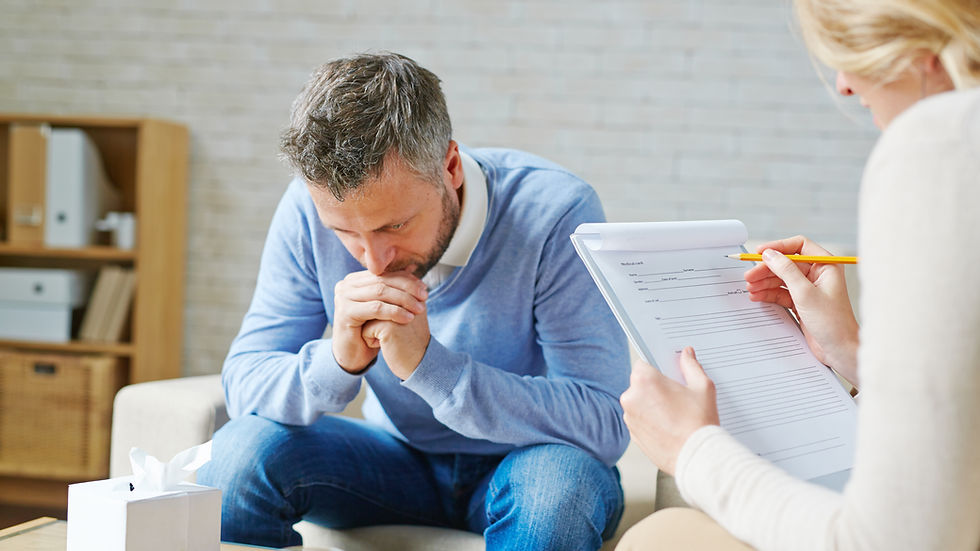
7. When to Seek Medical Help
Sometimes, lifestyle changes alone aren’t enough. If anxiety or stress is affecting your work, relationships, or health, professional care can help.
You should consider medical support if you experience:
Persistent anxiety or panic attacks
Ongoing sleep problems
Physical symptoms with no clear cause
Difficulty managing daily responsibilities
How to Manage Anxiety and Stress in Daily Life Naturally
Managing anxiety and stress in daily life doesn’t have to be complicated. With the right daily habits, lifestyle changes, and emotional support, you can regain a sense of calm and balance.
In this section, we’ll explore natural, practical ways to reduce anxiety, lower stress levels, and improve your overall mental well-being.
At Immediate Care Plus, our compassionate medical team is here to support your mental and physical health needs. We provide walk-in care with no appointment necessary, making it easy to get help when you need it most.
Managing anxiety and stress in daily life doesn’t require drastic changes. Small, consistent steps—like better sleep, healthy eating, physical activity, and mindfulness—can make a big difference over time.
If your symptoms feel overwhelming or persistent, don’t hesitate to seek professional care. Your mental health matters just as much as your physical health.
Visit Immediate Care Plus for trusted, walk-in medical support and guidance toward a healthier, calmer life.
Additional Strategies for a Healthier Mind
8. Engage in Creative Activities
Engaging in creative activities can be a wonderful outlet for stress. Whether it’s painting, writing, or playing music, creativity allows you to express your feelings.
Try setting aside time each week for a creative hobby. This can provide a much-needed break from daily stressors.
9. Limit Screen Time
Excessive screen time can contribute to anxiety and stress. Consider setting boundaries for your device usage.
Try to unplug for at least an hour each day. Use this time to engage in activities that promote relaxation, like reading or spending time outdoors.
10. Practice Gratitude
Focusing on gratitude can shift your mindset. Each day, take a moment to reflect on what you are thankful for.
You might keep a gratitude journal. Write down three things you appreciate each day. This practice can enhance your mood and reduce stress.
11. Explore Nature
Spending time in nature can significantly lower stress levels. Nature has a calming effect on the mind and body.
Try to incorporate outdoor activities into your routine. Whether it’s hiking, gardening, or simply walking in a park, nature can be a powerful ally in managing anxiety.
12. Consider Professional Therapy
If you find that self-help strategies aren’t enough, consider seeking professional therapy. A therapist can provide personalized strategies and support tailored to your needs.
Therapy can be a safe space to explore your feelings and develop coping mechanisms. Don’t hesitate to reach out for help when you need it.
Conclusion
In conclusion, managing anxiety and stress is essential for a healthier, happier life. By incorporating these strategies into your daily routine, you can create a more balanced and calm existence.
At Immediate Care Plus, we are committed to supporting our community’s health needs. Remember, you are not alone in this journey. Take small steps toward a healthier mind and body, and don’t hesitate to seek help when needed.
Visit Immediate Care Plus for trusted, walk-in medical support and guidance toward a healthier, calmer life.
Comments